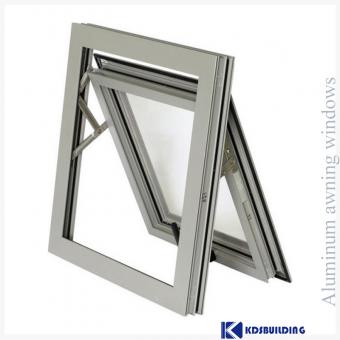
Three opening front Surrounding the window sash, embedded design Improve the performance of the entire window sealing/security/anti-theft Trinity LED light strips added to armrests Increase indoor atmosphere and prevent collisions
The concepts of health and environmental protection have won the trust of consumers. Its products have good sealing and durability, bringing long-term comfort to home life.
Doors and windows focus on technology and innovation, and constantly introduce competitive products. The brand's doors and windows have good sealing and energy-saving performance, saving energy for consumers while also protecting the environment.
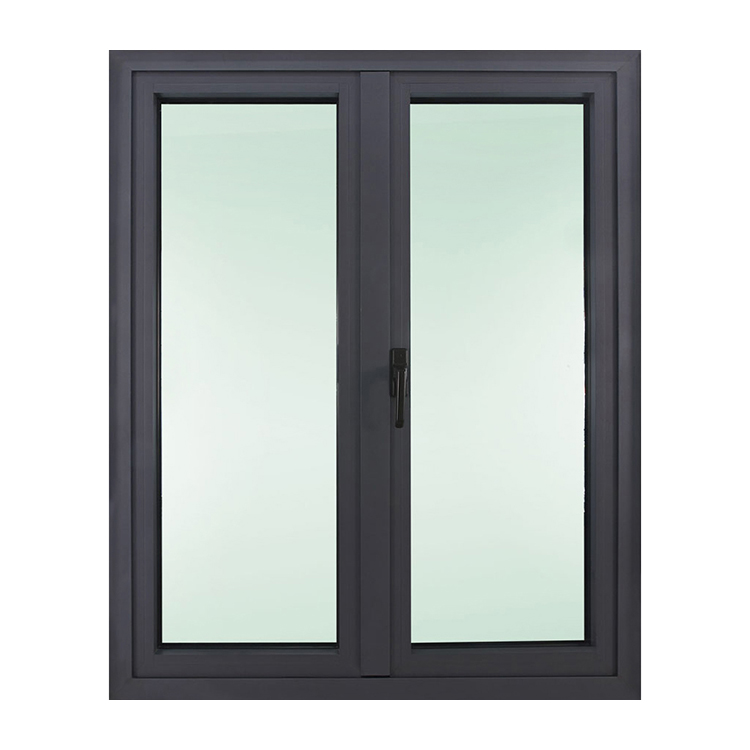
The characteristics of PVC casement windows include: Weather Resistance: PVC materials have excellent weather resistance, able to withstand sunlight, rain, and extreme temperatures without fading or deforming. Insulation Properties: High-quality PVC casement windows effectively provide thermal insulation, helping to save energy and reduce heating and cooling costs. Low Maintenance: Compared to wood or aluminum windows, PVC casement windows require minimal maintenance and do not need regular painting or protective treatments. Safety: Casement windows are typically designed with multi-point locking systems, offering enhanced security against intrusions. Ventilation: These windows can be opened in various weather conditions, providing good ventilation while allowing air flow even when it rains. Noise Reduction: The PVC material and its structural design help to minimize outside noise, enhancing indoor comfort. Diverse Design Options: PVC casement windows come in various colors and styles, suitable for different architectural designs. Environmental Friendliness: PVC materials are recyclable and have a lower environmental impact.
When choosing PVC casement windows, consider the following factors: Material Quality: Ensure the PVC material meets relevant standards, with good weather resistance and UV protection. Sealing Performance: Look for windows with excellent sealing capabilities to effectively prevent air and water leakage, improving insulation and soundproofing. Frame Thickness: Thicker frames are generally sturdier and provide better stability and security. Glass Type: Consider selecting double or triple glazing to enhance thermal insulation and soundproofing. Opening Method: Choose a suitable opening style based on your needs; ease of operation and safety are also important. Color and Appearance: Select colors and designs that match the architectural style and your personal preferences.
Outdoor screen design Ventilation only requires sliding wave fans More convenient to use LED light strips added to armrests Increase indoor atmosphere and prevent collisions
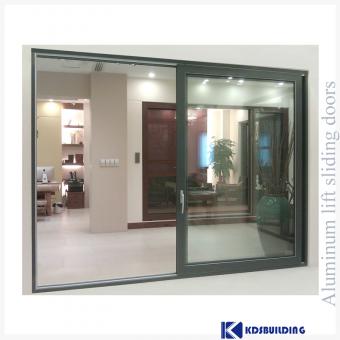
Heavy lift and slide door with blind inside to keep safety and ensure privacy. Aluminum lift and sliding doors from Xiamen KDSBuilding are designed to combine elegant appearance with superior performance. The advanced lift-and-slide system allows large, heavy glass panels to move smoothly while ensuring tight sealing when closed. With thermal break aluminum profiles and customizable glazing options, the door provides excellent insulation, durability, and expansive outdoor views for modern buildings. series: 140 series thermal break opening style: Lift and Sliding Glass: 5mm+9A+5mm clear tempered glass Color: white Certification: NFRC, AAMA, CE, TITLE 24, AS2047 U-Factor ≤ 0.3 SHGC ≤ 0.23




 Tel :
Tel : Email :