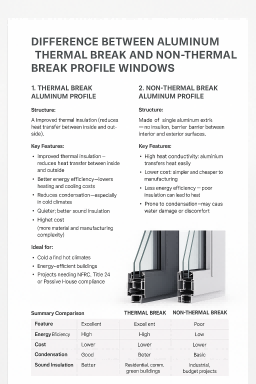
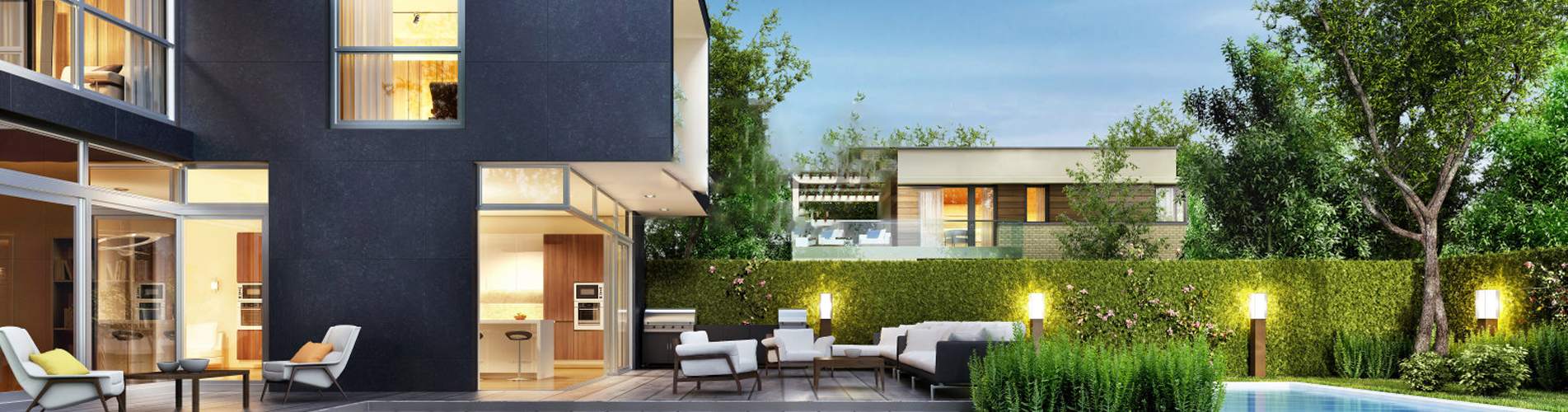
When choosing between PVC and aluminum windows and doors, customers should first consider their climate—PVC is better for colder regions due to its excellent thermal insulation, while aluminum (with thermal break) performs well in hot or coastal climates. Next, assess the building type and style: PVC suits traditional or residential homes, while aluminum fits modern or commercial designs with large glass areas. Budget is also important—PVC is more cost-effective, while aluminum is more durable and stylish but higher priced. Finally, consider maintenance and lifespan—both materials are low maintenance, but aluminum offers greater structural strength and a longer lifespan for demanding environments.
system window is a fully integrated window solution where the frame, glazing, hardware, and sealing components are all engineered to work together for optimal performance. Unlike traditional windows assembled from separate parts, system windows are precision-designed for superior energy efficiency, air and water tightness, sound insulation, and structural strength. Commonly made from materials like aluminum or uPVC, they offer modern aesthetics, reliable durability, and are often certified to meet international standards such as NFRC or CE. System windows are ideal for both residential and commercial buildings, ensuring consistent quality, easier installation, and long-term value.
Choosing between aluminum and PVC windows and doors depends on factors like durability, insulation, aesthetics, and budget. Aluminum windows and doors are strong, long-lasting, and offer a modern, sleek design with various customization options. They are ideal for high-rise buildings and contemporary designs but require thermal breaks to enhance energy efficiency. PVC (uPVC) windows and doors, on the other hand, provide excellent thermal and sound insulation, making them more energy-efficient and suitable for residential homes or areas with extreme temperatures. They are also budget-friendly and low maintenance, though they may have limited color options. If security is a priority, aluminum is naturally stronger, while PVC can be reinforced with steel. For cold climates, PVC is a better insulator, whereas aluminum with a thermal break performs well in hot and humid regions. Ultimately, the choice depends on your design preference, climate conditions, and budget, with aluminum being a premium, durable investment and PVC offering an affordable, efficient solution.
SPC (Stone Plastic Composite) and WPC (Wood Plastic Composite) flooring are both durable, waterproof options, but they differ in composition and characteristics. SPC features a rigid core made of stone powder, PVC, and stabilizers, offering exceptional durability, impact resistance, and strength, making it ideal for high-traffic or commercial areas. In contrast, WPC has a softer, more flexible core made of wood fibers and PVC, providing a warmer, more comfortable feel underfoot, which is ideal for residential settings where comfort and sound absorption are prioritized. While both are waterproof, SPC’s denser structure makes it more resistant to moisture, while WPC’s softer core offers better sound insulation. SPC is generally more affordable, whereas WPC tends to be pricier but offers greater comfort. Overall, SPC is best for high-traffic, moisture-prone areas, while WPC is suited for homes seeking a balance of comfort and durability.
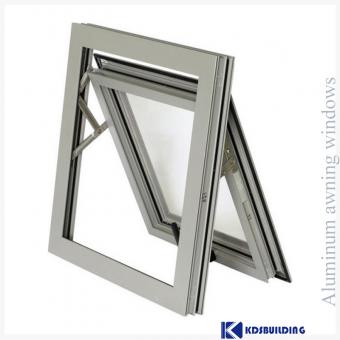
whenever people face to choose what kind of window and door suitable for themselves, they don`t know how to choose. there a specific features of casement and sliding window and door. Casement windows and doors offer several advantages, such as enhanced ventilation and energy efficiency due to their airtight seal when closed, which minimizes drafts and reduces heating and cooling costs. They can be designed in various sizes and configurations, allowing for creative aesthetics, and their design often features unobstructed views. Casement options also provide better security with embedded locking mechanisms and can withstand higher winds due to their construction. However, they do require more clearance for opening. In contrast, sliding windows and doors are space-saving since they slide horizontally, making them ideal for tight areas. They are easier to operate, especially for individuals with limited mobility, and typically feature larger glass panes that maximize natural light and views. Sliding options also come in various styles, including multi-panel designs, and are generally easier to clean and maintain. Ultimately, the choice between casement and sliding styles will depend on specific needs, design preferences, and the layout of the space. for the more coldest areas like Russia we suggest casement winow because casement window more good at energy saving. other places can chooserthis teo kind of window and doors for their prefer.
in our daily life, we always meet window and door. when we build our new house or buildings, we need to consider the window and door. many people in order to save money, buy some onqualified window and door, this lead ti this house or buildings don`t warm in winter and don`t cool at summer. when we choose window for our house or buildings, we should consider may aspects, such as: weather, place, and so on. we install window for our house is to give us good sightview also offer us good weather in winter and summer. double glass window have good effeciency in energy saving, single glass window are eco-friendly. we should fully consider which one should we choose. Xiamen KDSBuilding has more than 10years of window and door produce and export experience, can give most eco-friendly and sitable choice and good price.
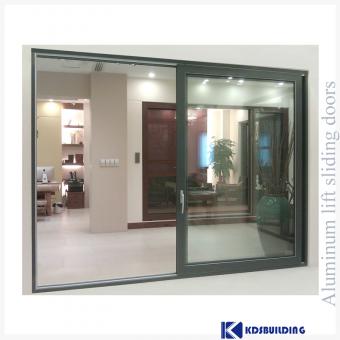
Heavy lift and slide door with blind inside to keep safety and ensure privacy. Aluminum lift and sliding doors from Xiamen KDSBuilding are designed to combine elegant appearance with superior performance. The advanced lift-and-slide system allows large, heavy glass panels to move smoothly while ensuring tight sealing when closed. With thermal break aluminum profiles and customizable glazing options, the door provides excellent insulation, durability, and expansive outdoor views for modern buildings. series: 140 series thermal break opening style: Lift and Sliding Glass: 5mm+9A+5mm clear tempered glass Color: white Certification: NFRC, AAMA, CE, TITLE 24, AS2047 U-Factor ≤ 0.3 SHGC ≤ 0.23