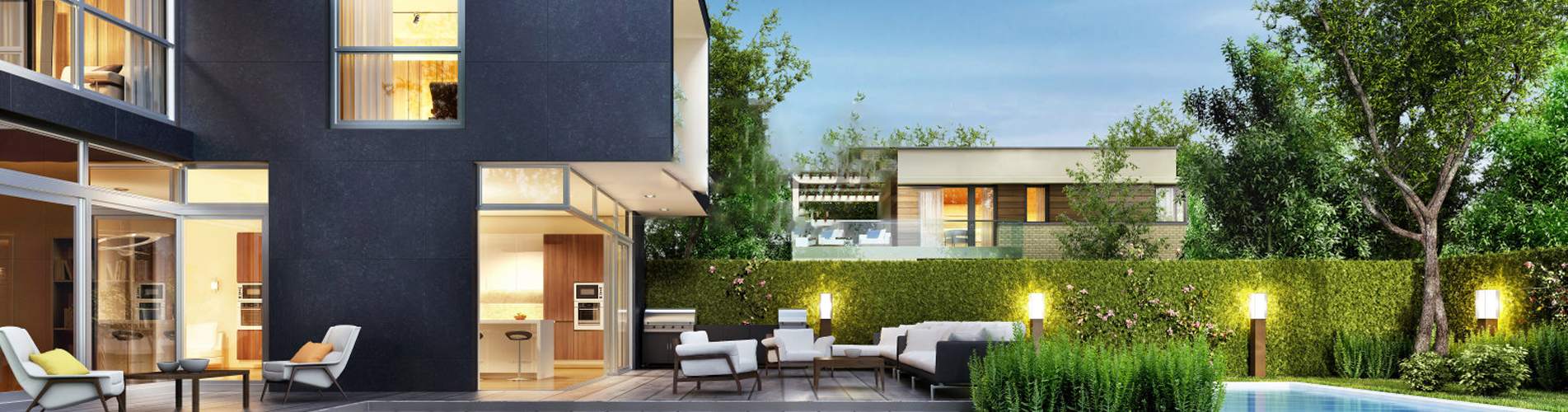
Visit KDSBuilding at IBS 2026 (Booth W8658) to Explore Latest Building Solutions
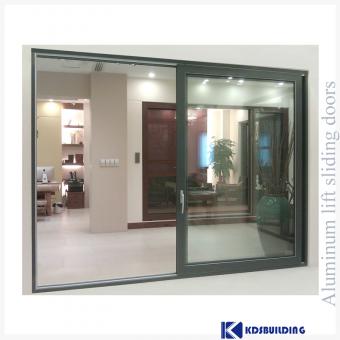
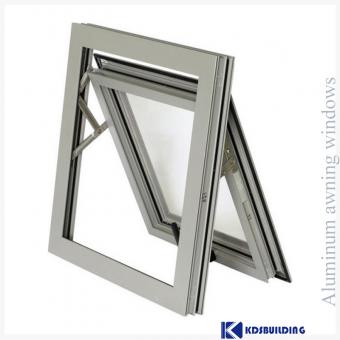
Xiamen KDSBuilding Material Co., Ltd. is pleased to announce that we will be exhibiting at the International Builders’ Show (IBS) 2026, one of the largest and most influential events in the global building and construction industry. The exhibition will take place from February 17–19, 2026, at the Orange County Convention Center, Orlando, USA. KDSBuilding will be located at Booth No. W8658, West Hall. During the show, we will officially present a range of our newly developed products, highlighting our latest innovations in windows, doors, and building solutions. As a professional manufacturer and exporter, Xiamen KDSBuilding specializes in high-performance aluminum, PVC, and steel doors and windows, fire-rated systems, and modular construction solutions. Our products meet international standards and combine durability, energy efficiency, and contemporary design for residential, commercial, and industrial projects worldwide. IBS 2026 provides an excellent platform for us to connect with builders, developers, architects, distributors, and industry partners from around the world. We look forward to face-to-face discussions, sharing technical insights, and exploring new cooperation opportunities. This exhibition is also an important step in strengthening our presence in the North American and global markets. We sincerely invite all existing and potential partners to visit us at Booth W8658. Our team will be on-site to introduce our new products, discuss project requirements, and explore how KDSBuilding can add value to your business. What to Expect at Our Booth At Booth W8658 (West Hall), visitors will have the opportunity to explore our latest product developments in detail. Our exhibition will feature upgraded solutions in aluminum and PVC windows and doors, fire-rated systems, steel doors, and modular building products, all designed to meet the latest international performance and certification requirements. Special attention will be given to energy efficiency, safety performance, customization flexibility, and cost-effective solutions for different regional markets. Our technical and sales team will be available throughout the show to provide professional consultations, product demonstrations, and project-based discussions. Whether you are sourcing products for residential housing, commercial buildings, or large-scale developments, KDSBuilding aims to provide reliable, competitive, and long-term solutions. Strengthening Global Partnerships Participation in IBS 2026 reflects KDSBuilding’s continuous commitment to international markets and innovation-driven growth. Over the years, we have successfully supplied windows and doors to customers across North America, Europe, the Middle East, and other regions. Through this exhibition, we hope to further strengthen relationships with existing partners while building new connections with distributors, builders, contractors, and developers. We believe that face-to-face communication remains essential...
View More




 Tel :
Tel : Email :